Lawn Fertilization That Works
Maintaining a healthy lawn requires more than just regular mowing and watering. Your grass needs proper nutrients to thrive throughout changing seasons. A well-fertilized yard stands up better to drought, disease, and daily wear.
The key to successful fertilization lies in understanding your soil's specific needs. Different grass types in Michigan require different nutrient balances. Your soil's pH and existing nutrient profile significantly impact how well your turf responds to treatments.
When Your Grass Needs Help
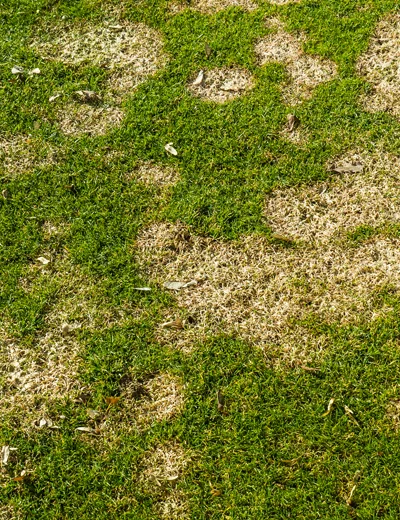
Your yard communicates when it lacks proper nutrition. Most homeowners notice problems too late, after significant damage has occurred. Recognizing early warning signs allows for quicker intervention and less expensive remedies.
Watch for these nutrient deficiency indicators
- Yellowing grass despite adequate water
- Thin patches or bare spots developing
- Slow recovery after mowing
- Shallow root systems that pull up easily
- Increased weed pressure throughout your turf
Seasonal Timing Matters
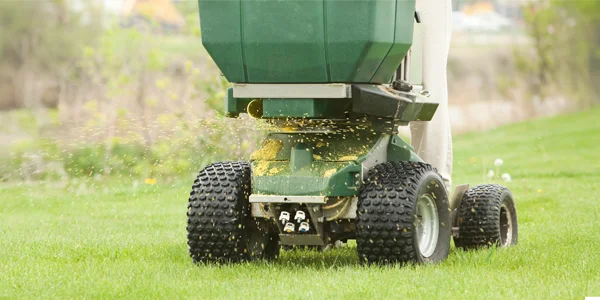
Applying fertilizer at the wrong time can waste money and harm your grass. Your lawn maintenance calendar should account for dormancy periods and growth cycles. Most yards benefit from 6 strategically timed treatments spread 4-6 weeks apart throughout the growing season.
Proper fertilization techniques create stronger grass that naturally resists weeds, pests, and environmental stress. The experts at Turf Doctor can ensure your lawn receives the right fertilizer treatment at the right time.
Get Started With a Free Estimate